
Women Veterans: 6 Practical Steps to Take Charge of Your Health and Find the Support You Deserve
Your military service is part of your story, but it doesn't define every aspect of your health journey. Whether you're managing a health concern, returning to civilian life, or simply trying to understand your healthcare options, knowing where to turn can make a difference.
Women Veterans deserve healthcare that recognizes their individual needs, respects their experiences, and supports their well-being at every stage of life.
Yet navigating healthcare systems, understanding eligibility, finding the right provider, and identifying available benefits can feel overwhelming—especially when you're unsure where to begin.
The good news is that you don't have to figure everything out at once.
With the right information and a few practical steps, you can become a stronger advocate for your health and connect with resources that may help you move forward.
1. Understand the Healthcare Services Available to You
Your health needs may change throughout your life. Routine preventive care, reproductive health, menopause support, mental health services, and treatment for long-term conditions can all play an important role in your overall wellness.
The U.S. Department of Veterans Affairs offers eligible women Veterans a range of healthcare services, including:
Primary care and routine health checkups.
Women's health and reproductive healthcare.
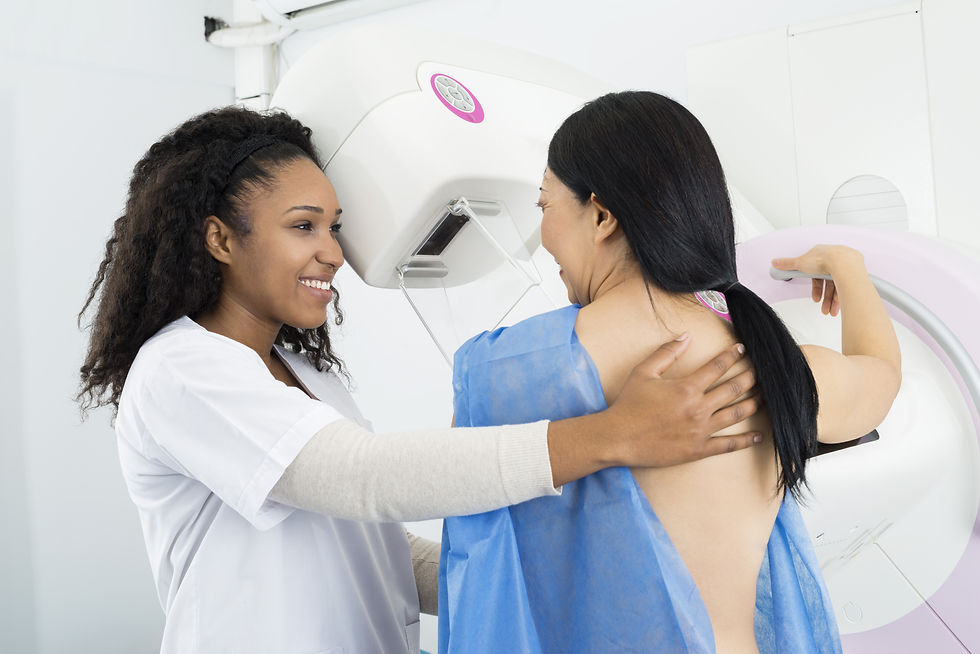
Preventive screenings, including breast and cervical cancer screening.
Mental health care, counseling, and referrals.
Menopause care and support for other health concerns.
Management of chronic conditions and pain.
Care related to military sexual trauma.
The services available to you depend on your eligibility and individual circumstances. You can explore the VA's official information to understand which services may be relevant to your needs.
Start here:
Knowing what is available is an important first step toward receiving appropriate care.
2. Don't Assume You Are Ineligible for VA Healthcare
Some women Veterans may not realize that they qualify for VA healthcare. Others may have served years ago and never enrolled, or may be unsure whether their current circumstances affect their eligibility.
Eligibility depends on factors such as military service, discharge status, and other qualifying circumstances. Some Veterans may qualify through specific provisions even if they do not meet the usual requirements.
For example, certain Veterans may qualify for care related to military sexual trauma even if they are not eligible for other VA healthcare services.
Rather than making assumptions, check your eligibility directly with the VA.
You can review the requirements and application process here:
If you have questions about where to start, the Women Veterans Call Center can help you understand available services and navigate the next steps.
3. Speak Up About Your Health Concerns
You know your body and your experiences. If something feels different or is affecting your quality of life, you deserve an opportunity to discuss it with a qualified healthcare professional.
Women Veterans may have a wide range of health concerns, from routine preventive care to chronic pain, sleep difficulties, reproductive health, mental health, and the effects of previous trauma.
It can sometimes be difficult to explain everything during a short appointment. Preparing beforehand can help you make the most of your time with your provider.
Consider these simple steps:
Write down your symptoms and when they began.
List any medications and supplements you take.
Note any questions you want to ask.
Explain how your symptoms affect your daily life.
Ask about follow-up appointments, referrals, or additional support if needed.
You can also ask whether a provider experienced in women's health would be appropriate for your needs.
Remember, asking questions is not being difficult. It is an important part of participating in decisions about your health.
4. Make Mental Health Part of Your Wellness Plan
Health is more than physical well-being.
Stress, anxiety, depression, trauma-related symptoms, relationship challenges, and difficulties adjusting to life after military service can affect your everyday life.
Seeking support is a valid part of healthcare, and you do not need to wait until a problem becomes overwhelming before talking to someone.
If you are struggling emotionally, consider speaking with a healthcare professional about the support available to you. The VA provides mental health services, including counseling, treatment, and referrals for eligible Veterans.
For support navigating VA services,
visit:
If you are a Veteran experiencing a crisis, the Veterans Crisis Line provides free, confidential support 24 hours a day, seven days a week.
Call 988 and press 1, or text 838255.
Mental health deserves the same care and attention as physical health. You do not have to face difficult moments alone.
5. Learn Who Can Help You Navigate the System
Sometimes the biggest challenge isn't knowing that support exists. It's knowing which organization to contact first.
You might need help scheduling an appointment, finding a women's health provider, understanding eligibility, or identifying available benefits.
The VA's Women Veterans Call Center is designed to help women Veterans navigate these questions.
Women Veterans Call Center
Call or text: 1-855-829-6636
The call center can help you:
Learn about VA healthcare services and eligibility.
Find information about appointments and local VA facilities.
Connect with a Women Veterans Program Manager.
Navigate women's health services.
Find information about other VA benefits, including education, employment, and home loans.
The service is free and confidential. Friends, relatives, and caregivers can also contact the call center with questions about available services for a woman Veteran.
You do not need to have every question figured out before reaching out. Asking where to begin is enough.
6. Build a Support Network Beyond Healthcare
Professional healthcare is important, but support can also come from the people and organizations around you.
Trusted friends, family members, Veteran communities, nonprofit organizations, caregivers, and local service providers may help you feel more connected and better informed.
Depending on your circumstances, you may want to explore resources related to:
Employment and career development.
Education and training.
Housing and financial assistance.
Caregiving and family support.
Mental health and community connection.
Wellness education and preventive health.
Not every resource will be right for every person. The goal is to identify trustworthy services that match your needs and circumstances.
If one organization cannot provide the help you need, ask whether it can refer you to another appropriate service.
You deserve more than a list of phone numbers. You deserve clear information about where to turn next.
Your Health Journey Deserves Attention

Taking charge of your health does not mean managing everything alone. It means asking questions, learning about your options, seeking appropriate care, and connecting with people who can help.
You can start with one appointment, one phone call, or one question you've been meaning to ask.
Your needs are important. Your experiences matter. And support may be available even if you are unsure where to begin.
At the Women Veterans Health and Wellness Foundation, we believe that access to useful information is an important part of helping women Veterans make informed decisions about their well-being.
You served your country. You deserve to understand the healthcare and support options available to you.
Take the Next Step
Ready to learn more about your options?
Keep the Conversation Going
What advice would you share with another woman Veteran who is trying to navigate healthcare or find the right support?
Share your thoughts in the comments. Your experience or encouragement may help someone else feel more confident taking their next step.
Let's continue building a community where women Veterans feel informed, supported, and empowered to prioritize their health.
This article is for educational purposes only and does not replace professional medical advice. Healthcare eligibility and available services vary. Contact the VA or a qualified healthcare professional for guidance specific to your circumstances.


Comments